Stars, like the Sun, are gigantic balls of gas that radiate light. By following them closely, we notice that some stars vary in brightness. Often, this is because the stars vibrate: they contract and expand. When they shrink, they become a little hotter and brighter. When they expand again, they become a little cooler and fainter.
With cameras mounted on a telescope, you can monitor these fluctuations in brightness. Instead of looking, we can convert the measured light variations into audible sound. We do this by accelerating the vibration more than a million times. This raises the pitch of the sound and it retains its very own ‘tone colour’ or timbre.
Some stars vibrate very slowly, producing deep and warm sounds, like a tuba in the starry world. Others vibrate much faster and produce higher, sharper sounds, such as a piccolo or small flute of a stellar orchestra. And, just like the instruments in an orchestra, each star has its own timbre.
Astrophysicists, including researchers of the Royal Observatory of Belgium, closely study those stars vibrations, which is a way for them to look indirectly inside those celestial bodies. From those tremors, they can infer a mine of information from the stars like their mass and age and better understand the life cycle of stars. This field of research is called asteroseismology.
There are not only star sounds at the Royal Observatory of Belgium. We invite you to listen to a day at the Observatory and imagine what it is like to step into the shoes of our scientists.
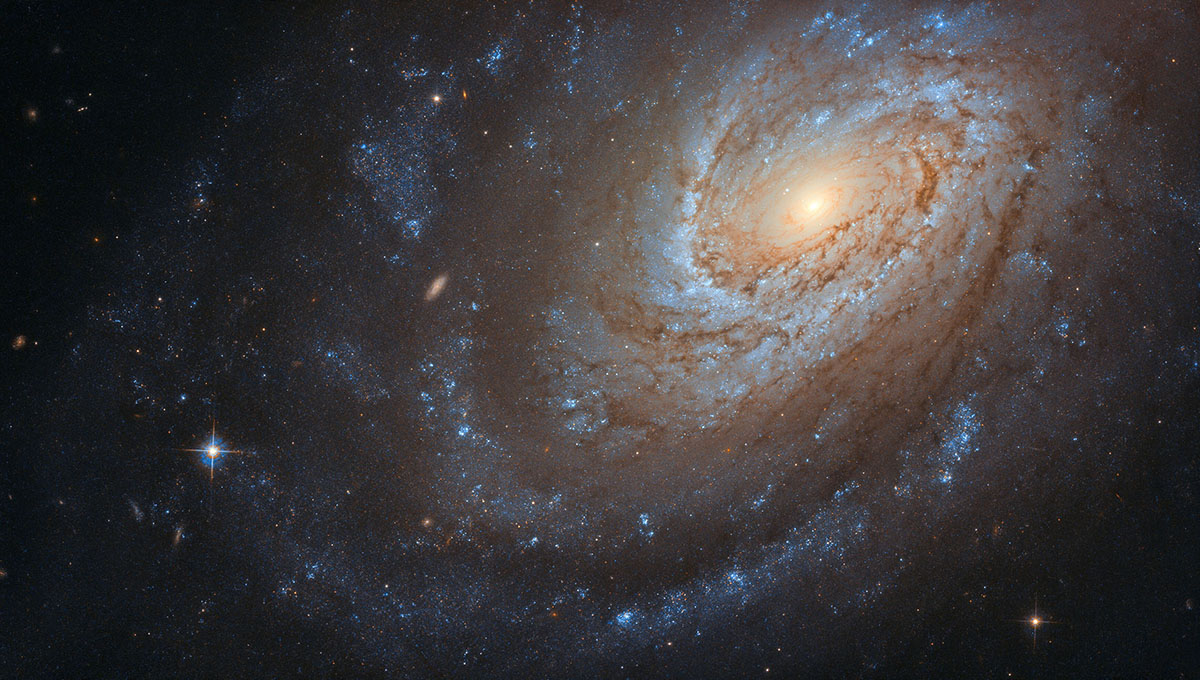
© ESA/Hubble & NASA, D. Leonard
Podcast: a day at the Observatory